Few travel decisions shape a city break as much as where you sleep. Hotels promise service and predictability; short-term rental apartments offer space and a taste of local life. Neither is automatically better, so here is a balanced look at the real advantages and drawbacks of each, to help you choose for your next trip.
The case for an apartment
More space for the money
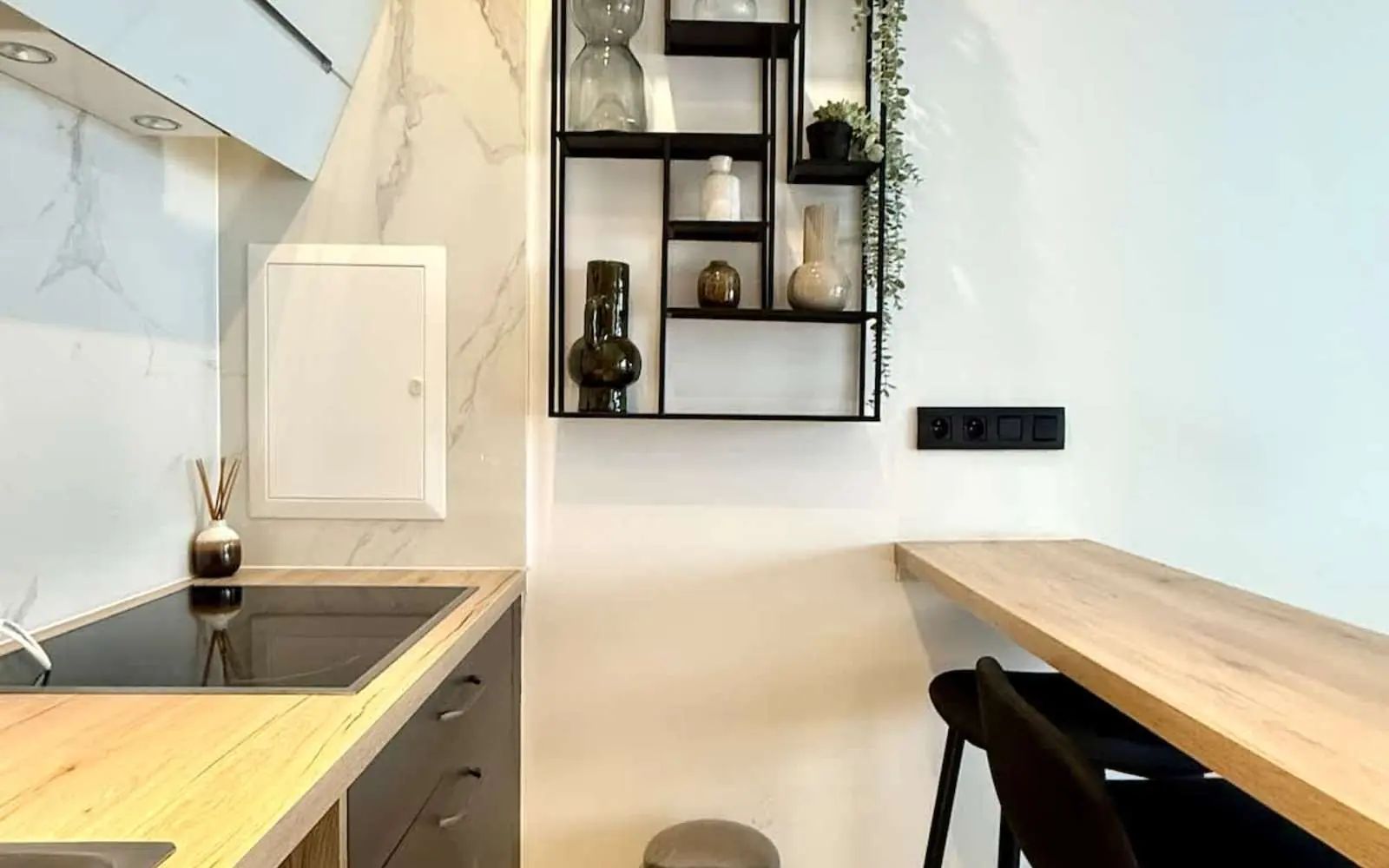
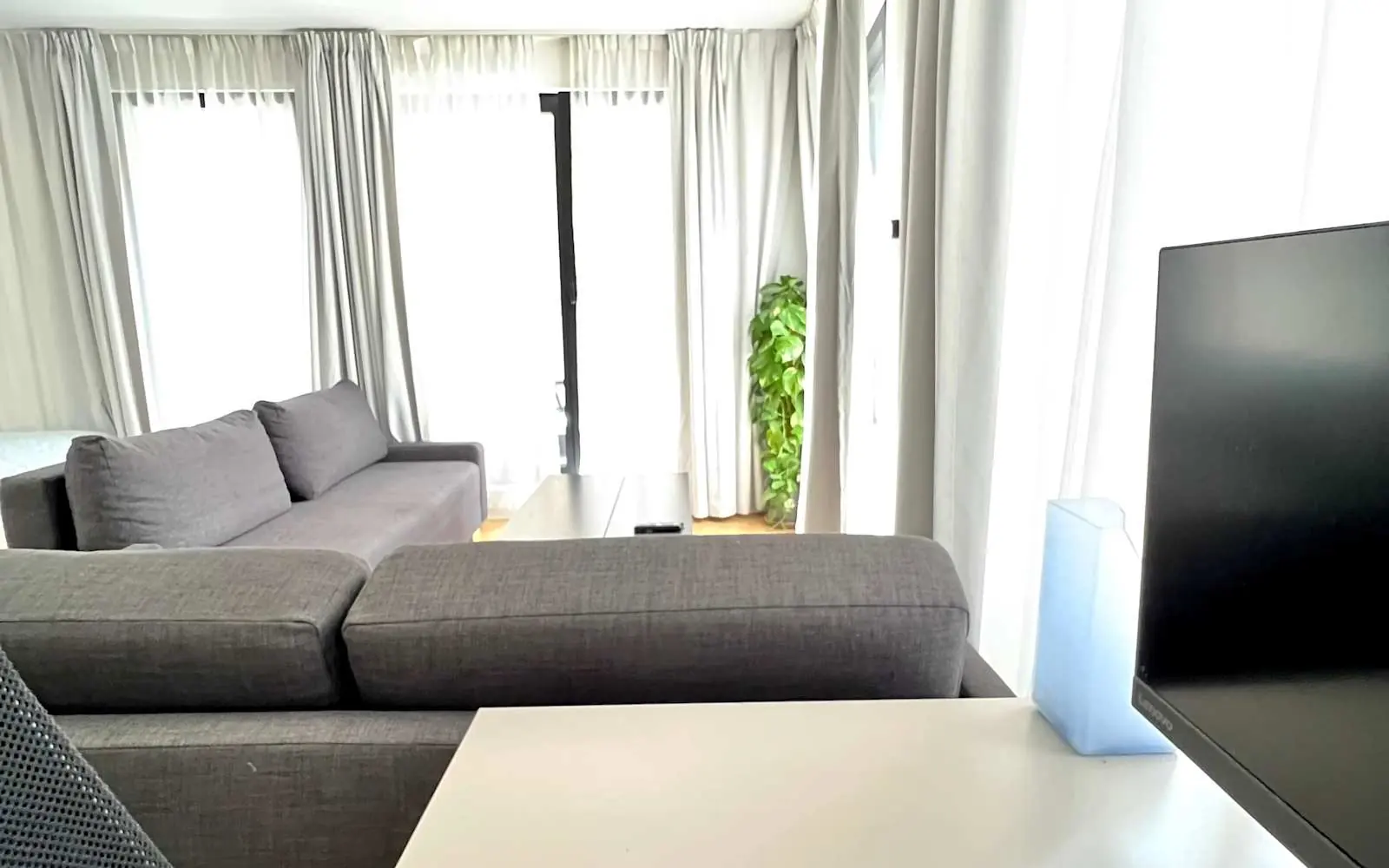
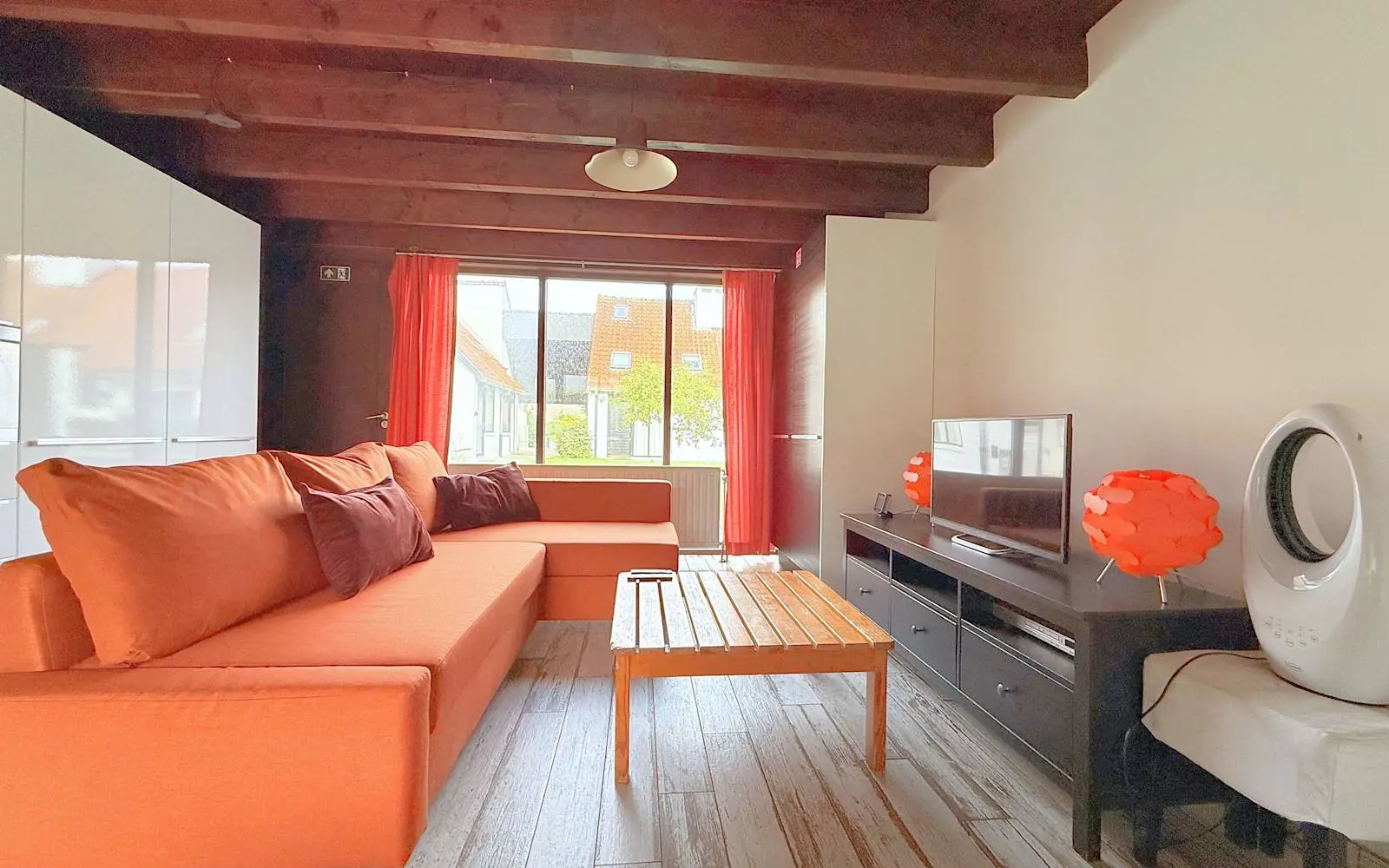
The most obvious advantage is space. An apartment typically gives you a living area, a separate bedroom or several, and sometimes a balcony. For families, groups of friends or anyone travelling for more than a few nights, this can make a huge difference to comfort.
When several people share, the cost per person can also compare favourably with booking multiple hotel rooms, although this varies widely by city, season and property.
A kitchen and a washing machine
Being able to prepare breakfast, store snacks or cook a simple dinner saves money and gives flexibility, especially with young children or specific dietary needs. Laundry facilities, where available, let you pack lighter for longer trips. Always check the listing to confirm what is actually provided.
Living like a local
Apartments are often located in residential neighbourhoods rather than hotel districts. Shopping at the local bakery or market, and coming home to a real street rather than a lobby, is part of the appeal for many travellers.
Privacy and independence
There is no reception to pass, no set breakfast hours and no housekeeping knocking on the door. For travellers who value independence, this freedom is a big plus.
The downsides of an apartment
Less on-site service
This is the major trade-off. Most apartments have no 24-hour reception, no concierge desk and no daily cleaning. If something goes wrong late at night, you depend on the host's or manager's responsiveness.
Check-in can be more complicated
Arrival times may be less flexible, and check-in might involve key boxes, codes or meeting someone at a set time. Late arrivals need to be arranged in advance.
Extra fees and house rules
The headline price can rise once cleaning fees, service fees and local tourist taxes are added, so always compare the total cost. Apartments also come with house rules, such as quiet hours, limits on guests or instructions for rubbish and recycling.
Variable quality and reliability
Quality differs greatly from one host to another. Photos can be flattering, and descriptions may be optimistic. There is also a small risk of last-minute cancellations by the host.
Local regulations
Many European cities have introduced rules on short-term rentals, such as registration requirements or limits on the number of nights a property can be let. Booking a property that is properly registered with the local authorities protects you as well as the neighbourhood.
The case for a hotel
Service and predictability
Hotels offer a reception, often around the clock, daily housekeeping, and staff who can help with luggage, restaurant bookings and recommendations. Standards within a chain or star category are relatively predictable.
Flexibility
Early check-in, late check-out and luggage storage are often possible, sometimes for a fee. This is very helpful on short trips with awkward travel times.
Facilities
Depending on the category, hotels may offer restaurants, bars, gyms, spas or business facilities, all on site.
Ideal for short or solo stays
For a one- or two-night trip, or when travelling alone, a hotel is often the simplest and most cost-effective option, with no cleaning fee to spread over a short stay.
The downsides of a hotel
- Limited space: city-centre rooms can be small, and families may need two rooms or a suite.
- Eating out for every meal: costs add up quickly without a kitchen.
- A less local feel: hotels tend to cluster in business and tourist districts.
- Extras: breakfast, Wi-Fi in some properties, minibars and parking can all add to the bill.
Professionally managed rentals: a middle ground
Between private hosts and hotels, a growing number of apartments are run by professional management companies. These typically provide standardised cleaning, clear check-in procedures and a contact person for problems, while keeping the space and independence of an apartment. They will not offer full hotel service, but they can reduce the uncertainty of renting from an individual.
One example is Hexuvium, a short-term rental concierge founded in Brussels in 2015 and operating in 19 countries; you can browse Hexuvium's managed apartments to see how this model works. Whichever provider you use, the same checks apply.
How to choose: a quick checklist
Choose an apartment if:
- You are travelling as a family or group.
- You are staying four nights or more.
- You want a kitchen or more living space.
- You enjoy residential neighbourhoods and independence.
Choose a hotel if:
- You are staying one or two nights.
- You are travelling solo or on business.
- You want daily cleaning, on-site staff and flexibility.
- You arrive very late or leave very early.
Booking tips for apartments
- Read recent reviews carefully, especially comments on cleanliness, noise and communication.
- Compare the total price, including all fees and taxes.
- Check the cancellation policy before booking.
- Confirm check-in arrangements and a contact number before you travel.
- Look at the exact location on a map, not just the neighbourhood name.
- Pay through secure, official channels, and never by bank transfer to a stranger.
The bottom line
There is no universal winner. Apartments shine for space, groups and longer stays; hotels excel for short trips, service and peace of mind. The best choice depends on who you are travelling with, how long you are staying and what kind of experience you want from the city.