Brussels rewards people who look beyond the postcard. Yes, the Grand-Place is as dazzling as everyone says, but the city's real charm lies in its neighbourhoods: Art Nouveau facades in Saint-Gilles, vintage shops in the Marolles, late-night bars around Saint-Géry. This 48-hour plan gives you the essentials without the rush.
Before you go
Brussels is compact, and most of the centre can be covered on foot. For longer hops, the STIB network of metro, trams and buses is straightforward, and contactless bank cards are accepted at the validators. If you plan to pack in several museums, look at the Brussels Card, which bundles entry to dozens of museums and can include public transport; compare it with your actual plans on visit.brussels before buying.
The city is officially bilingual, so street signs appear in French and Dutch. English is widely spoken, but a polite "bonjour" or "goedendag" goes a long way.
Day 1: the historic heart
Morning: Grand-Place and the Galeries
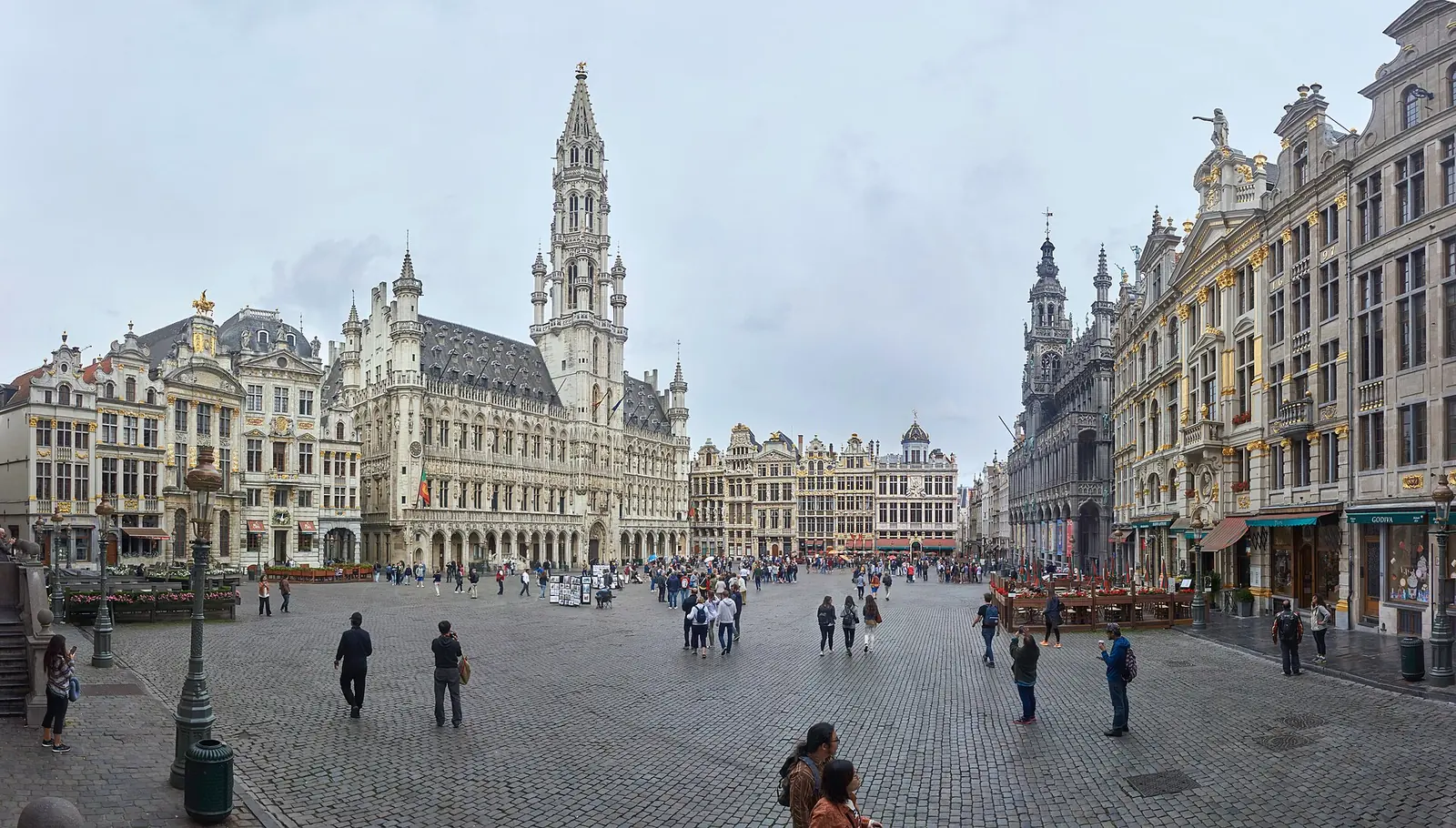
Start at the Grand-Place, a UNESCO World Heritage Site framed by the Gothic Town Hall and ornate guildhalls. Arrive early, before the tour groups, and the square feels almost private. From there, wander into the Galeries Royales Saint-Hubert, a glass-roofed nineteenth-century arcade lined with chocolatiers, bookshops and cafés.
A few minutes' walk away stands Manneken Pis. He is famously small, so keep expectations modest and enjoy the ritual of the crowd rather than the statue itself.
Afternoon: Mont des Arts and the Royal Quarter
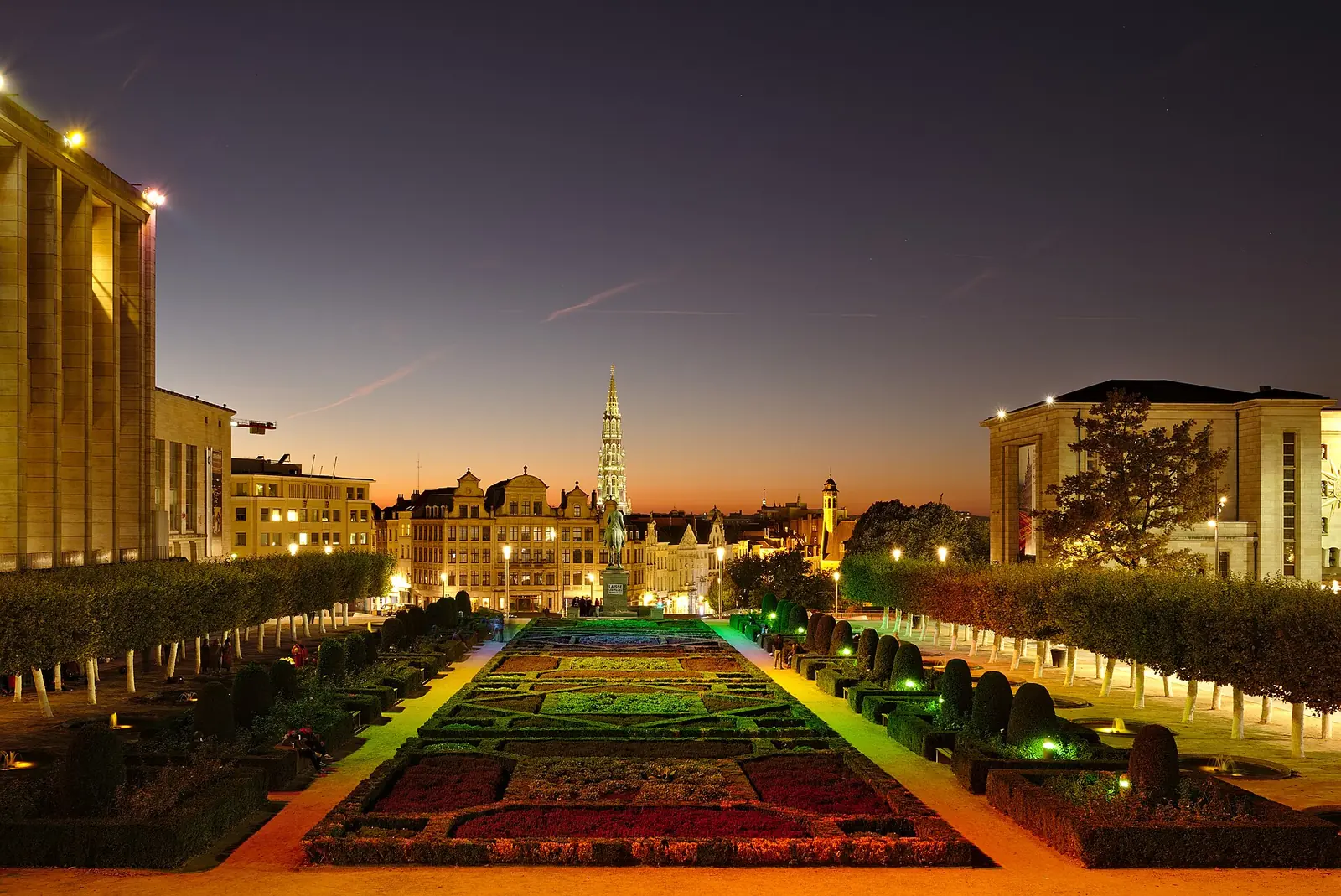
Climb up to the Mont des Arts for one of the best free views over the lower town. Art lovers should head to the Royal Museums of Fine Arts of Belgium, home to the Magritte Museum and a superb collection of Flemish masters. Nearby, the Musical Instruments Museum occupies the Old England building, a striking Art Nouveau department store; its rooftop café has a fine view.
Evening: Sainte-Catherine and Saint-Géry
As evening falls, drift towards Sainte-Catherine, the former fish-market district, where seafood restaurants line the old quays. Afterwards, the bars around Place Saint-Géry keep the energy up late into the night.
Day 2: neighbourhoods and modern icons
Morning: the Atomium
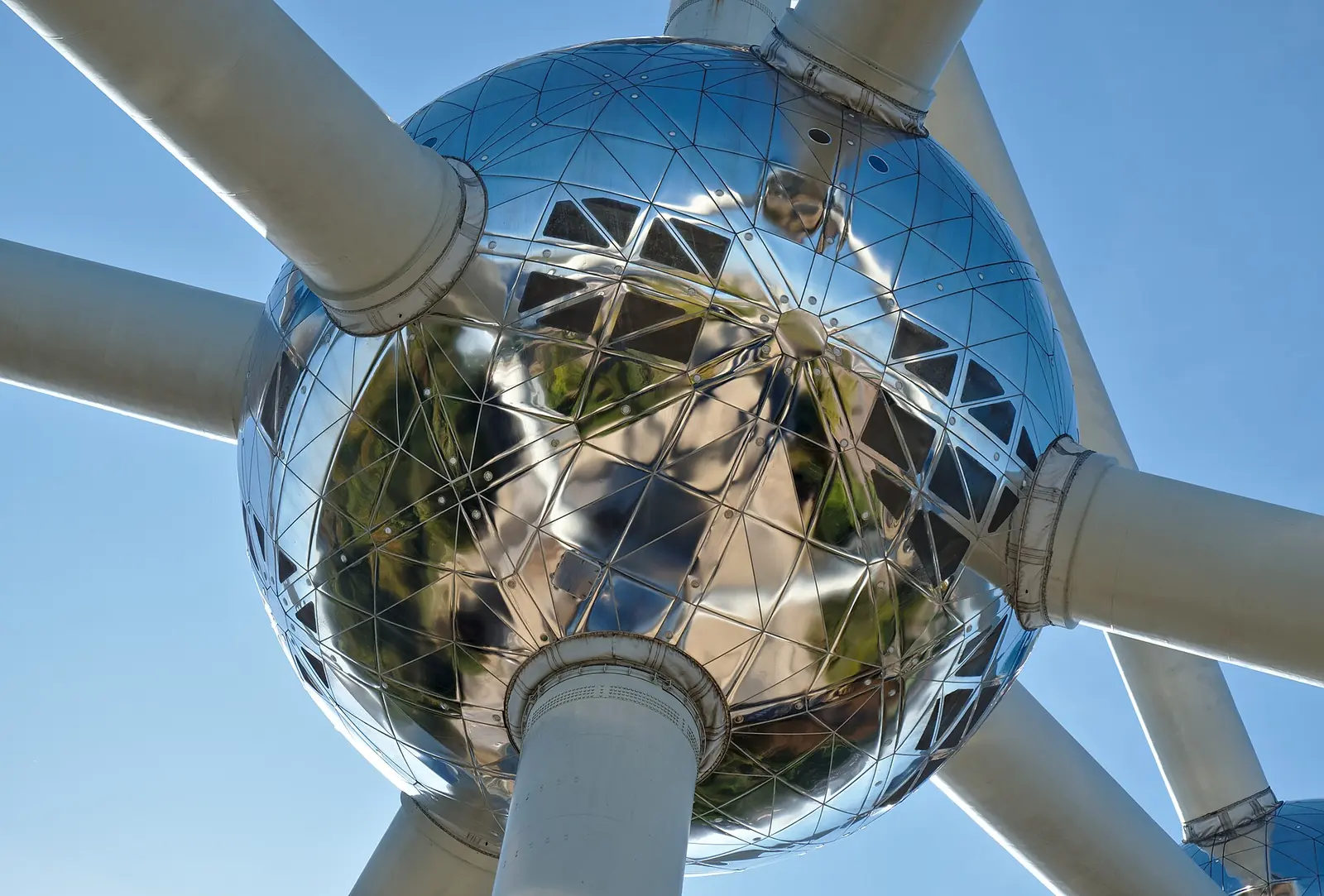
Take the metro north to the Atomium, built for the 1958 World's Fair. Its stainless-steel spheres house exhibitions and a panoramic viewpoint at the top. Book online to avoid waiting, and check the official site for current hours. Next door, Mini-Europe is a light-hearted option if you are travelling with children.
Afternoon: the Marolles and Saint-Gilles
Head back south to the Marolles, one of the city's most characterful working-class districts. The flea market on Place du Jeu de Balle runs every morning, and the surrounding streets are full of antique and design shops. Walk up to the vast Palais de Justice for sweeping views over the city.
From there, continue to Saint-Gilles and Ixelles, the heartland of Belgian Art Nouveau. The Horta Museum, the former home and studio of architect Victor Horta, is part of a UNESCO-listed group of his town houses. Booking ahead is wise, as visitor numbers are limited.
Evening: Ixelles and the Flagey area
End your trip around Place Flagey and the Ixelles Ponds, where locals gather on café terraces. It is a relaxed, cosmopolitan corner of the city and a world away from the tourist trail.
What to eat and drink
- Frites: order them from a friterie in a paper cone, with one of a dozen sauces. Maison Antoine on Place Jourdan is a long-standing institution.
- Waffles: the Brussels waffle is light and rectangular; the Liège waffle is denser, sweeter and studded with pearl sugar. Try both.
- Moules-frites: mussels with chips, a Belgian classic best enjoyed in season.
- Chocolate: the Sablon district is home to some of the country's finest chocolatiers.
- Beer: Belgium's brewing culture is recognised by UNESCO as intangible cultural heritage. Look out for lambic and gueuze, spontaneously fermented beers that are a speciality of the Brussels region.
Where to stay
Your neighbourhood shapes your trip. The centre around the Grand-Place puts everything within walking distance but can be noisy at night. Sainte-Catherine offers a livelier, more local feel while staying central. Ixelles and Saint-Gilles are ideal if you want cafés, Art Nouveau streets and a residential atmosphere, with good tram and metro links to the centre.
If you prefer having your own kitchen and living space, consider a Hexuvium apartment in Brussels. Hexuvium is a short-term rental concierge founded in Brussels in 2015, so the city is its home ground.
Practical tips
- Getting in: Brussels-Midi/Zuid station is the hub for international high-speed trains. From Brussels Airport, direct trains reach the city centre stations.
- Weather: rain is frequent in every season, so pack a light waterproof.
- Sundays: many shops close, but museums, markets and restaurants stay busy.
- Day trips: if you have extra time, Bruges, Ghent and Antwerp are all easily reached by train.
Forty-eight hours is enough to fall for Brussels. Chances are, you will leave with a list of things to come back for.