Liège has a reputation for warmth, and it earns it. Wallonia's largest city mixes steep medieval staircases, a sweeping river and a food culture that takes comfort very seriously. Two days is the perfect amount of time to get under its skin.
Getting there and getting around
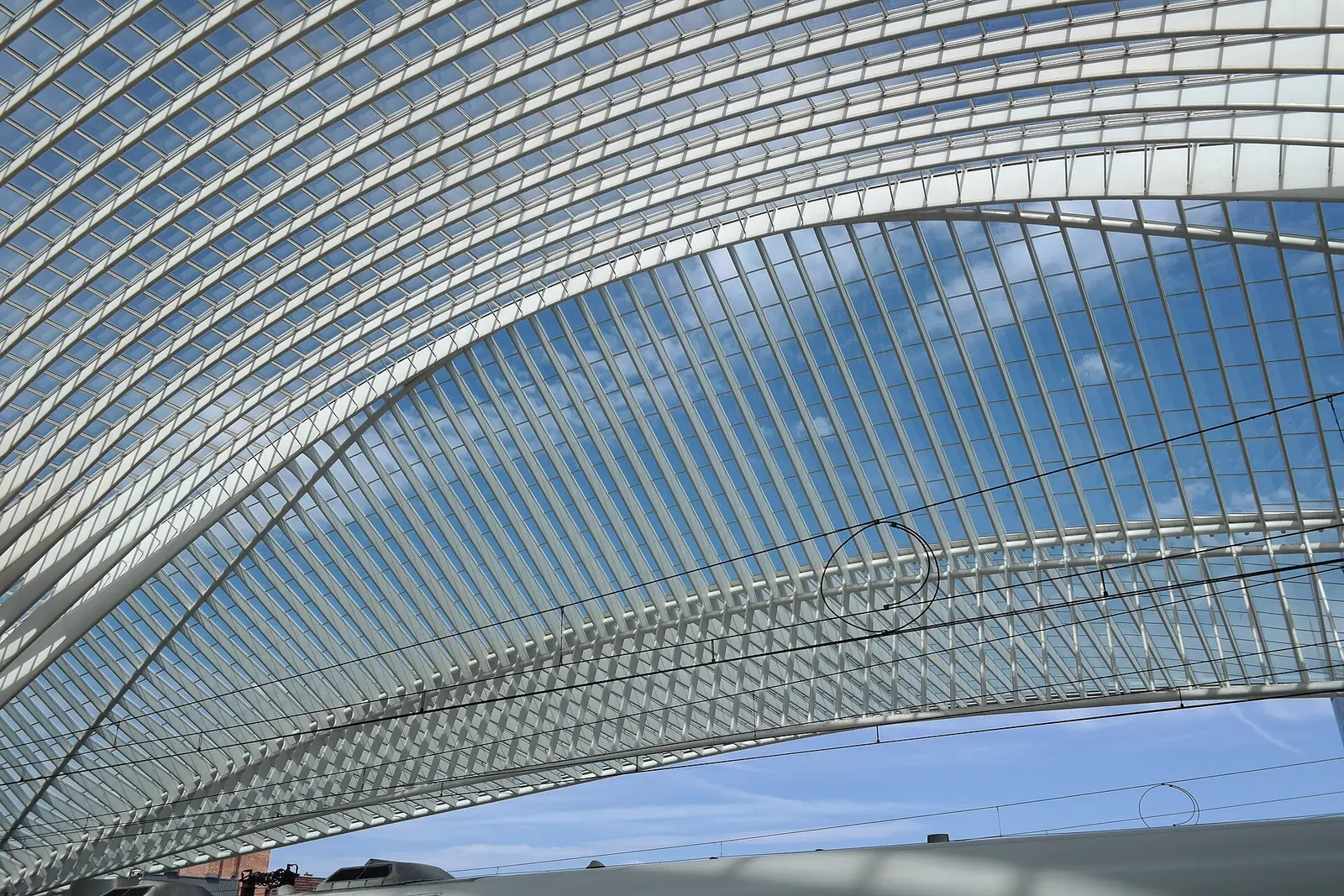
Most visitors arrive at Liège-Guillemins, the spectacular white station designed by Santiago Calatrava. It is a sight in itself, so pause on the forecourt before heading into town. High-speed and domestic trains connect it with Brussels and beyond.
The historic centre is walkable, and the city's new tram line links Guillemins with the centre. Comfortable shoes are essential: Liège is a city of hills and stairs.
Day 1: the old town and the Montagne de Bueren
Morning: Place Saint-Lambert and the Palace
Start at Place Saint-Lambert, the site of the former cathedral and today the busy heart of the city. It is dominated by the Palace of the Prince-Bishops, a reminder that Liège was for centuries the capital of an independent principality. Step into the courtyards to admire the carved columns.
A short walk away, Place du Marché is home to the Perron, the column that symbolises the city's freedoms, and the town hall known locally as La Violette.
Late morning: climb the Montagne de Bueren
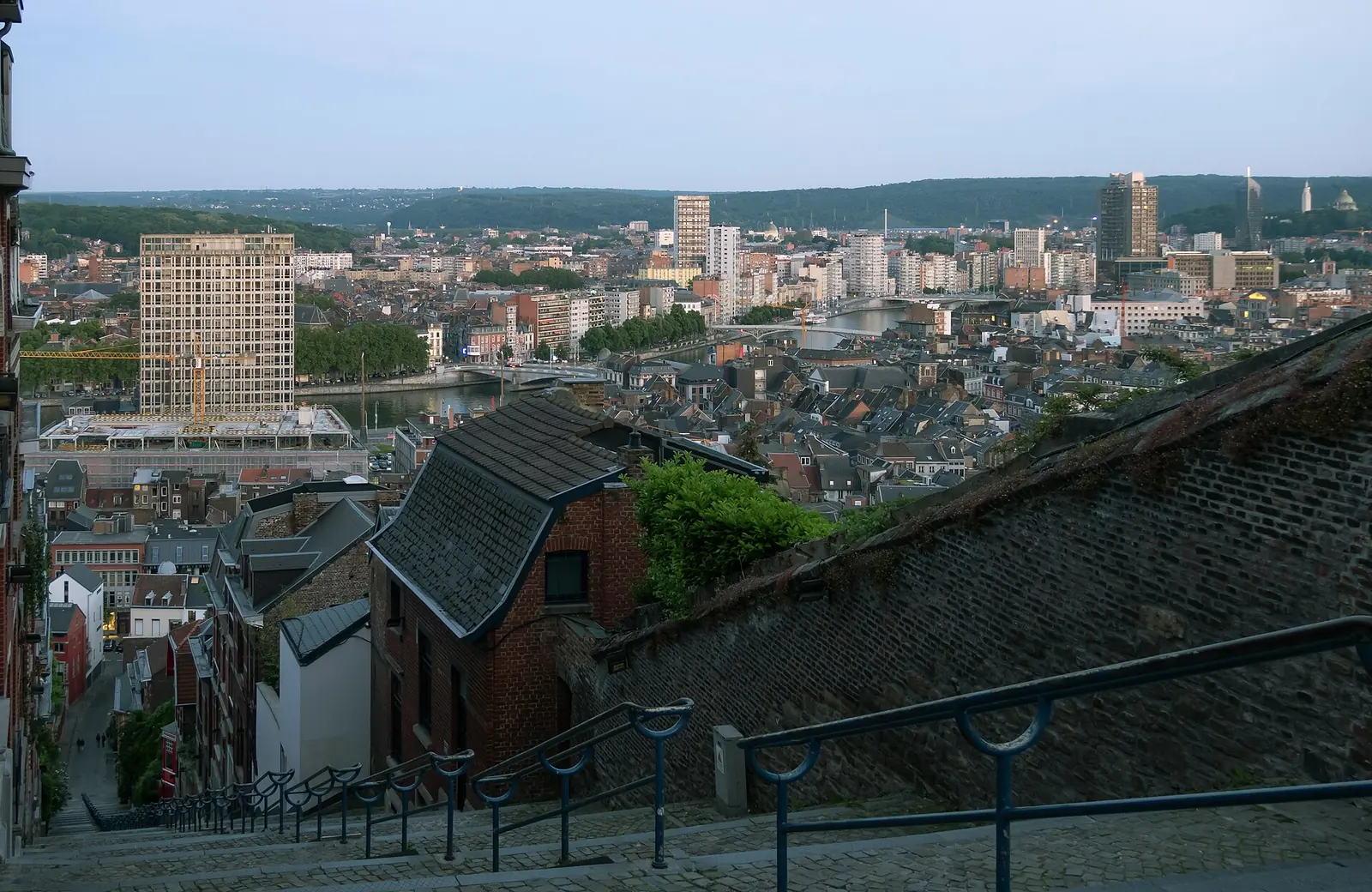
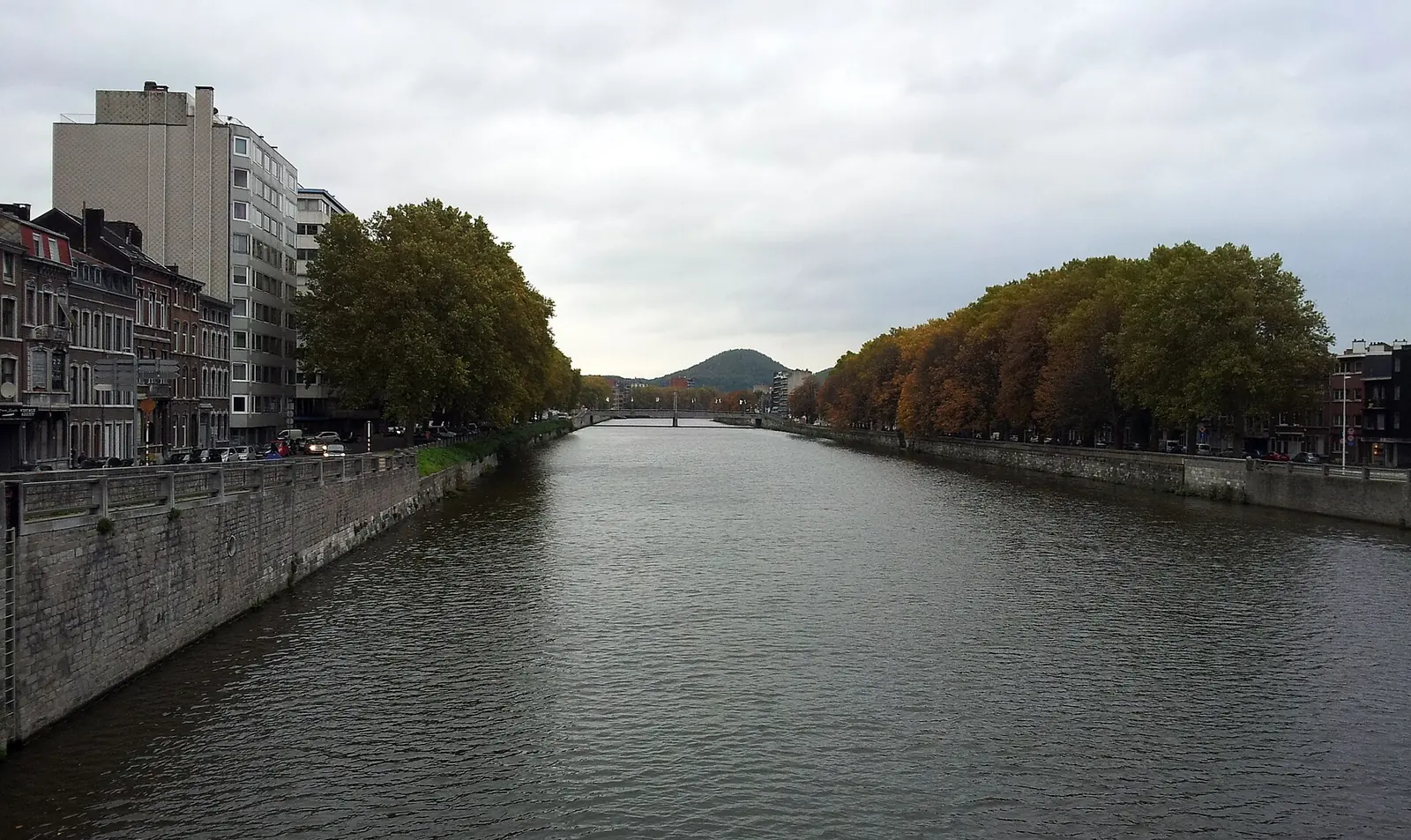
Next comes the city's most famous challenge: the Montagne de Bueren, a staircase of 374 steps rising from the Hors-Château street towards the hillside citadel. It was built in the nineteenth century to give soldiers a direct route into town. Take it slowly; the view over the rooftops and the Meuse valley from the top is your reward.
At the top, the hillside paths and the Coteaux de la Citadelle offer green walks and further viewpoints. Wander back down through the quiet lanes and impasses of the Hors-Château district, one of the best-preserved parts of old Liège.
Afternoon: museums along the river
The Grand Curtius, on the left bank of the Meuse, brings together archaeology, decorative arts and weapons in a striking Renaissance mansion and its modern extensions. It gives a clear sense of the city's long history as an industrial and artistic centre.
Evening: the Carré
For dinner and drinks, head to the Carré, a compact grid of streets packed with bars and restaurants. It is lively, unpretentious and popular with students, so expect a cheerful buzz into the small hours.
Day 2: Outremeuse and the Meuse
Morning: La Batte market (Sundays)
If your weekend includes a Sunday, do not miss La Batte, one of Belgium's oldest and longest markets, stretching along the quays of the Meuse. Fruit, cheese, flowers, clothes and local specialities sit side by side. Arrive early to see it at its best.
Late morning: Outremeuse
Cross the river to Outremeuse, the island district that sees itself as the soul of Liège. Its narrow streets are proudly working-class and fiercely independent; locals even refer to it as a "free republic". Look out for statues of Tchantchès, the cheeky puppet hero who embodies the Liège spirit, and the Musée Tchantchès, dedicated to the city's puppet tradition.
Outremeuse comes alive every year around 15 August, when its folk festivities fill the streets with music, processions and plenty of pèkèt. If your dates coincide, book well ahead.
Afternoon: La Boverie and the riverside
Stroll south through the Parc de la Boverie to La Boverie, the city's fine arts museum, set in a park between the Meuse and the Dérivation canal. It hosts major temporary exhibitions alongside its permanent collection. A footbridge links the park to the Guillemins side of the city, making it an easy last stop before your train.
What to eat and drink
- Boulets à la liégeoise: large meatballs in a sweet-sour sauce made with sirop de Liège, a local apple and pear syrup, usually served with chips.
- Gaufre de Liège: the dense, caramelised waffle with pearl sugar was born here. Eat it warm, ideally without toppings.
- Salade liégeoise: green beans, potatoes and bacon, a hearty local classic.
- Pèkèt: the local juniper spirit, often flavoured and served in small glasses.
- Sirop de Liège: buy a jar to take home; it pairs beautifully with cheese.
Where to stay
The city centre around Place Saint-Lambert and the Carré is the most convenient base for sightseeing and nightlife. Outremeuse offers a more local, residential feel just across the river. Staying near Guillemins makes sense if you are arriving and leaving by train or planning day trips.
For a stay with more space than a hotel room, you could book one of Hexuvium's flats in Liège, managed by a concierge company that has been based in Belgium since 2015.
Practical tips
- Pace yourself: between the Bueren steps and the hillside, you will climb a lot.
- Check opening days: like many Belgian museums, several Liège museums close one day a week, so verify on the official websites.
- Day trips: the Ardennes, Spa and the Hautes Fagnes are all within reach for nature lovers.
Liège is generous, a little rough around the edges and impossible not to like. One weekend is usually enough to plan the next.