London has a reputation as one of the most expensive cities in Europe, and it is not undeserved. Yet some of its greatest treasures cost nothing at all. With a little planning, you can see world-class art, wander through royal parks and cross the city efficiently while keeping your budget firmly under control.
Free museums worth your time
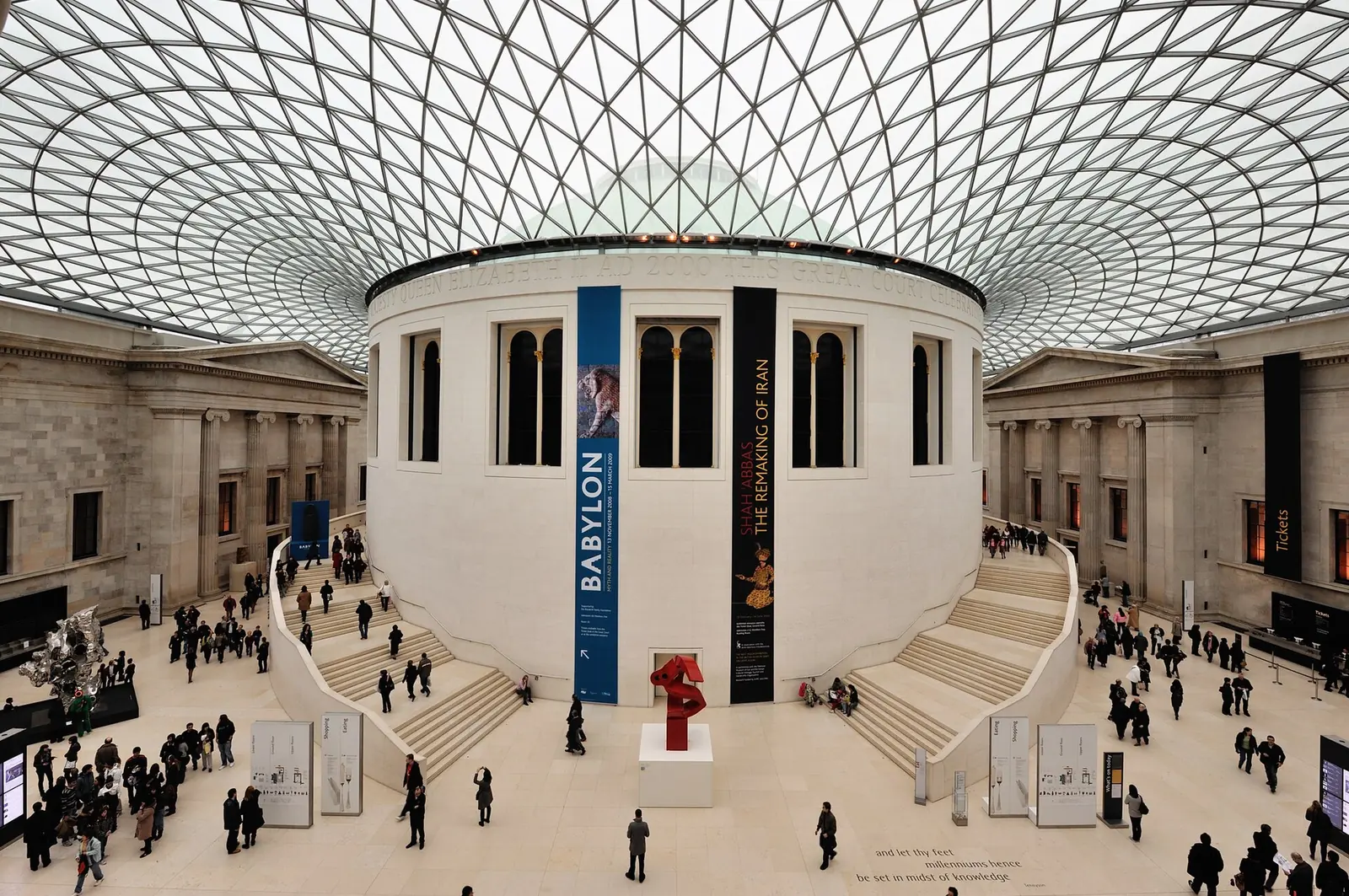
Many of the UK's national museums offer free general admission, which is London's single greatest gift to budget travellers. Special exhibitions are usually ticketed, but the permanent collections alone can fill days.
- The British Museum: two million years of human history, from the Rosetta Stone to the Parthenon sculptures.
- The National Gallery: masterpieces from the Middle Ages to the early twentieth century, right on Trafalgar Square.
- The National Portrait Gallery: next door, with faces from Tudor monarchs to modern celebrities.
- Tate Modern: modern and contemporary art in a former power station on the South Bank. Its upper levels also offer fine views.
- Tate Britain: British art from the sixteenth century to today, including a major collection of Turner.
- The Natural History Museum, the Science Museum and the V&A: three giants side by side in South Kensington. Ideal for a rainy day.
Some popular museums recommend or require booking a free timed slot at busy periods, so check each official website before you go. Donations are welcome and help keep entry free.
Parks and green spaces
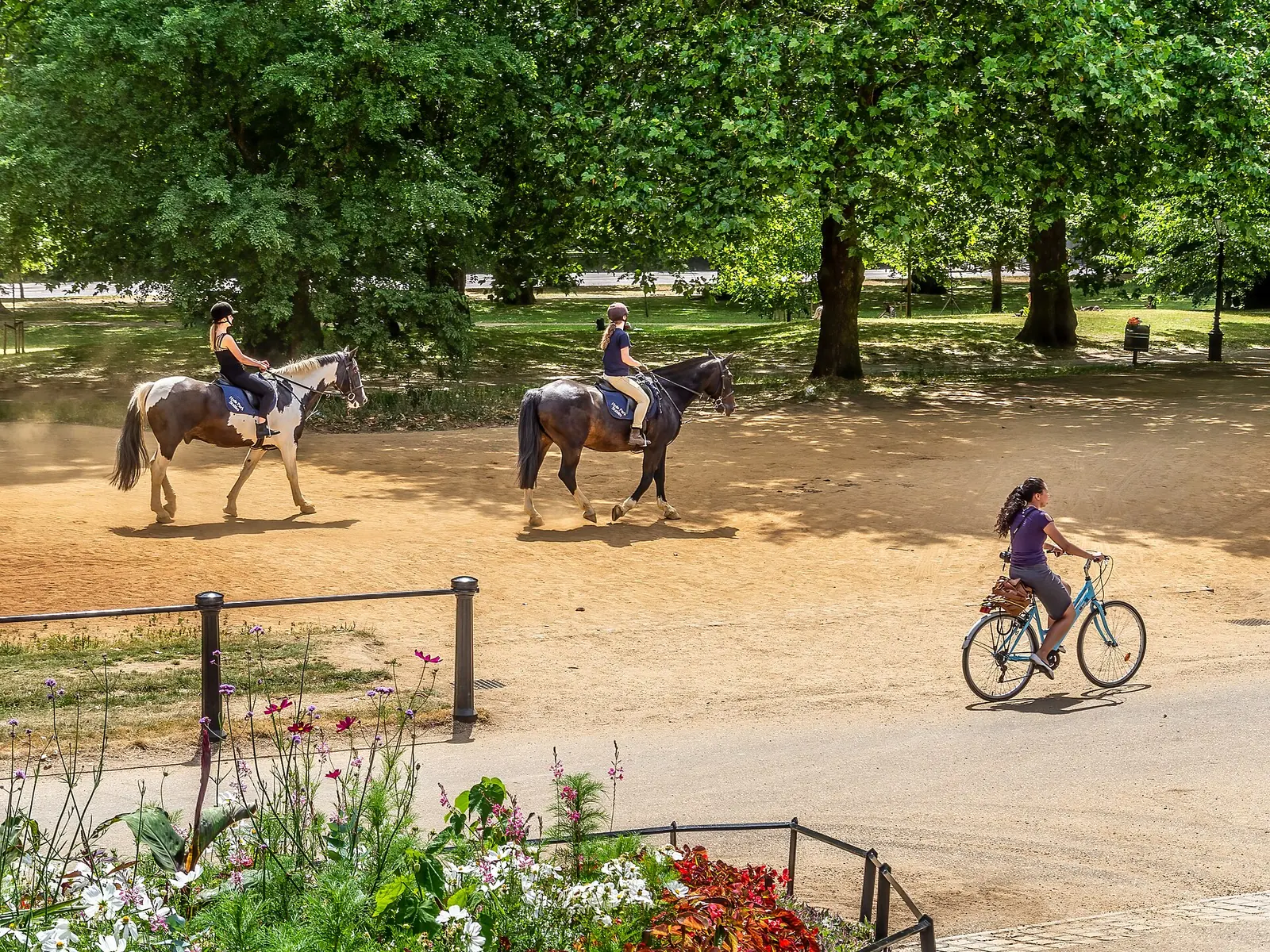
London is one of the greenest major cities in Europe, and its parks are free and open to all.
- Hyde Park and Kensington Gardens: stroll around the Serpentine and past Kensington Palace.
- St James's Park: the classic view towards Buckingham Palace, with pelicans on the lake.
- Regent's Park and Primrose Hill: climb Primrose Hill for one of the best free skyline views in the city.
- Hampstead Heath: wild, hilly and wonderfully un-manicured, with sweeping views from Parliament Hill.
- Greenwich Park: stand on the Prime Meridian line outside the Royal Observatory and enjoy the view over the Thames and Canary Wharf.
- Richmond Park: a vast royal park in south-west London, famous for its herds of free-roaming deer.
Free sights and experiences
- Changing of the Guard: the ceremony at Buckingham Palace is free to watch. Check the schedule on the official Household Division or Royal Collection websites, as it does not take place every day.
- The South Bank: walk from Westminster Bridge to Tower Bridge past the London Eye, Shakespeare's Globe and street performers.
- Sky Garden: a free public garden at the top of 20 Fenchurch Street, with panoramic views. Tickets are free but must be booked in advance online.
- Markets: browsing Borough Market, Camden Market or Columbia Road Flower Market (on Sundays) costs nothing, and street food is often better value than restaurants.
Getting around for less
Use contactless or Oyster, never paper tickets
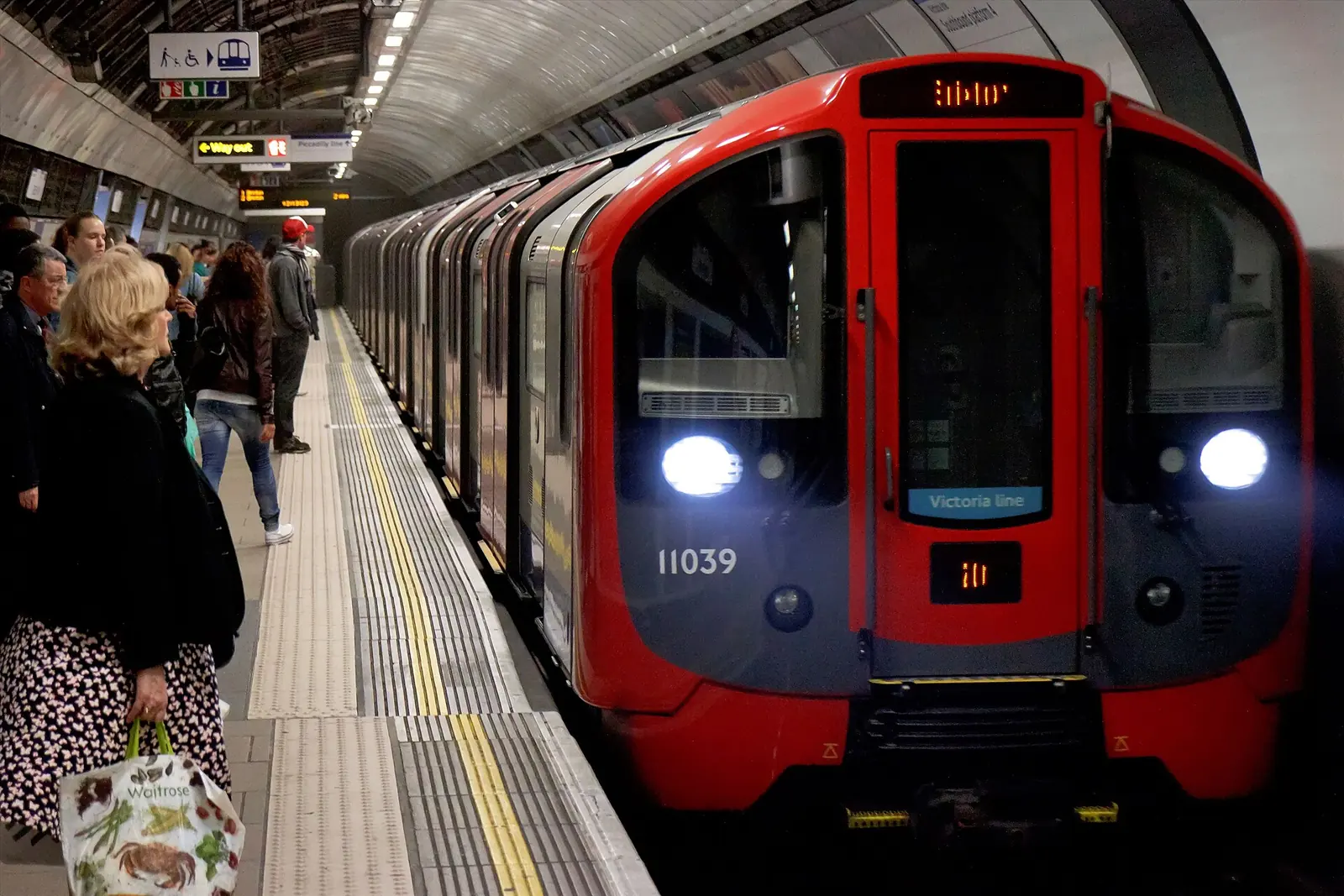
On the Underground, buses, Overground, DLR, Elizabeth line and most trains in London, paying with a contactless bank card or device or an Oyster card is much cheaper than buying single paper tickets. Fares are automatically capped daily, so however many journeys you make, you will never pay more than the daily cap for the zones you travel in. Contactless payments also benefit from a weekly cap running Monday to Sunday.
Always use the same card or device to touch in and out, otherwise the capping will not work. And remember to touch out on the Tube and rail services, or you may be charged a maximum fare.
Ride the buses
London buses do not accept cash, but they are cheaper than the Tube and include the Hopper fare, which lets you make unlimited bus and tram journeys within one hour for the price of one. Routes such as the number 11 or 15 pass many landmarks and make an excellent budget sightseeing tour from the top deck.
Walk more than you think
Many central attractions are closer together than the Tube map suggests. Walking from Covent Garden to Leicester Square, for example, is often quicker than taking the train. Check fares and journey planners on the official Transport for London website.
Eating and drinking on a budget
- Meal deals from supermarkets and high-street chains are a British lunchtime institution.
- Street food markets offer generous portions from around the world.
- Pubs often serve good-value lunches, and a Sunday roast is a must-try at least once.
- Tap water is free and safe to drink; restaurants will bring it if you ask.
Cheap entertainment
For theatre, the TKTS booth in Leicester Square, run by the Society of London Theatre, sells discounted tickets for West End shows. Many theatres also run day-seat or lottery schemes; check each show's website.
Where to stay
Accommodation is usually the biggest expense in London. Staying in zone 2 neighbourhoods with good Tube or Overground links, such as parts of Islington, Bermondsey or Shepherd's Bush, can offer better value than the West End without adding much travel time.
For groups and families, sharing a flat often works out cheaper per person than booking several hotel rooms. Hexuvium, a short-term rental concierge operating in 19 countries, manages homes in the capital, so a Hexuvium flat in London is one option worth comparing.
Final tips
- Travel off-peak to avoid the busiest, most crowded trains.
- Book free tickets early for popular spots such as Sky Garden.
- Pack an umbrella: London weather changes quickly.
London on a budget is not about missing out. It is about knowing where the city's generosity lies, and there is plenty of it.