Lisbon is a city of hills, light and melancholy music. Its tiled facades glow in the late afternoon sun, yellow trams rattle up impossible slopes and every viewpoint seems to outdo the last. Three days lets you see the classic sights at a civilised pace and still escape to the palaces of Sintra.
Before you go
Lisbon is steep and paved with slippery limestone cobbles, the famous calçada portuguesa. Comfortable shoes with good grip are not optional.
For public transport, most visitors use the reloadable navegante occasional card, which you can top up with single journeys, credit or a 24-hour pass, valid on the metro, buses and trams. The Lisboa Card combines public transport with free or discounted entry to many attractions; compare it with your plans on the official tourism site, visitlisboa.com.
Day 1: Alfama and the historic centre
Morning: São Jorge Castle
Start high up at the Castelo de São Jorge, the Moorish-era castle crowning Lisbon's oldest hill. The ramparts offer a sweeping view over the city's rooftops and the Tagus river. Go early to beat the crowds.
Late morning: wandering Alfama
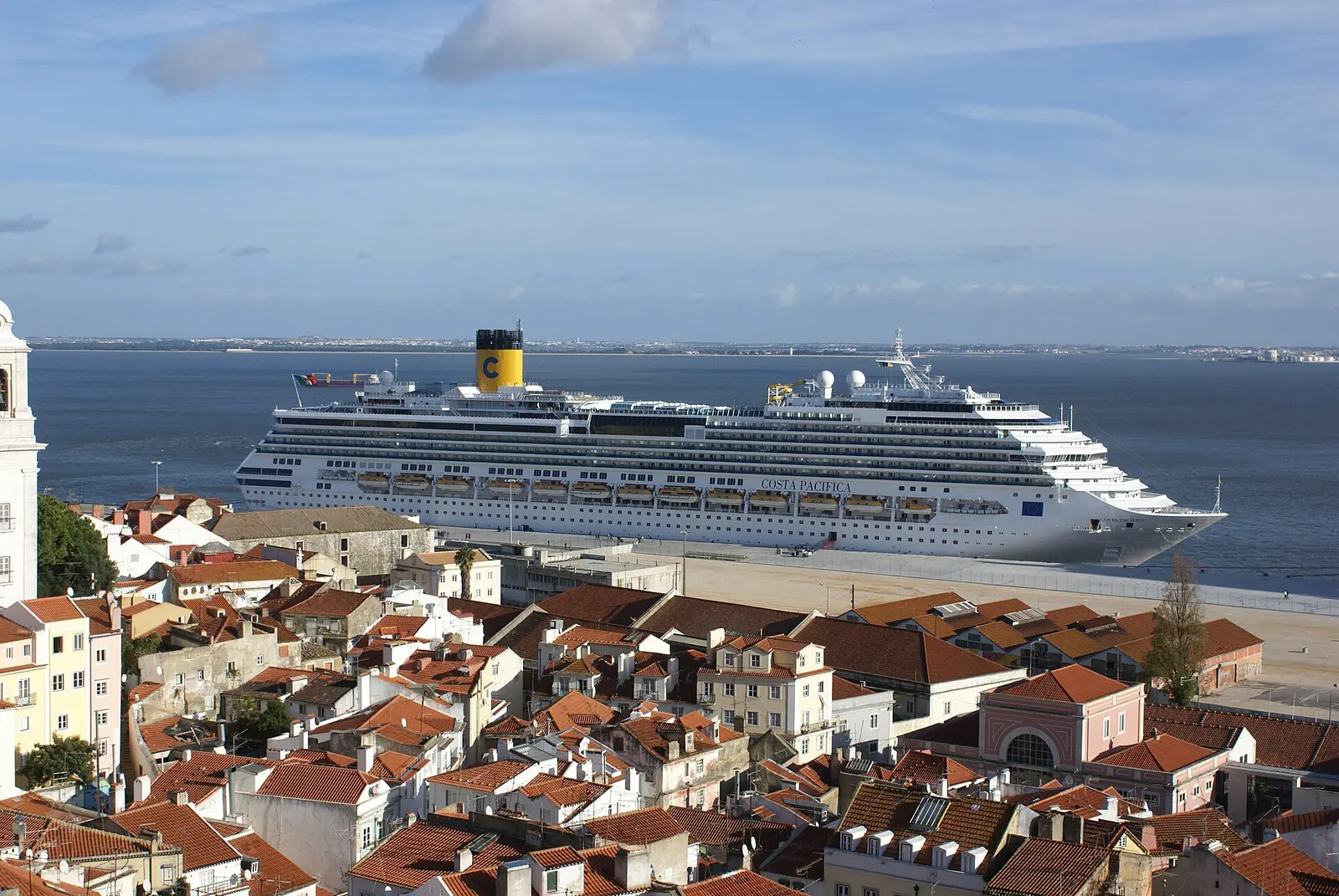
Walk down into Alfama, the city's oldest neighbourhood, which largely survived the great earthquake of 1755. Its maze of alleys, staircases and tiny squares is best explored without a plan. Stop at the Miradouro de Santa Luzia and the Miradouro das Portas do Sol, two neighbouring viewpoints with postcard views over the district and the river.
Further down, the Sé, Lisbon Cathedral, is the city's oldest church. If it is a Tuesday or Saturday, look out for the Feira da Ladra, the flea market near the white dome of the National Pantheon.
Afternoon: Baixa and Chiado
Head to the Baixa, the elegant grid of streets rebuilt after 1755, and through the triumphal arch on Rua Augusta to the vast riverfront Praça do Comércio. Then climb to Chiado, Lisbon's literary and shopping quarter, for coffee in one of its historic cafés.
Evening: fado
Return to Alfama or head to the Bairro Alto for dinner with fado, the soulful Portuguese song recognised by UNESCO as intangible cultural heritage. Small, intimate venues tend to offer the most memorable performances; reserve ahead.
Day 2: Belém
Morning: Jerónimos Monastery
Take tram 15 or a train along the river to Belém, the district from which Portuguese navigators set sail in the Age of Discoveries. The Jerónimos Monastery is a masterpiece of the Manueline style, with an extraordinary cloister. It is one of the city's most visited monuments, so buy tickets in advance and arrive early.
Midday: pastéis de Belém
Nearby, Pastéis de Belém has been baking its famous custard tarts since the nineteenth century. The queue moves quickly, and there is plenty of seating inside if you prefer to eat at a table.
Afternoon: the riverside
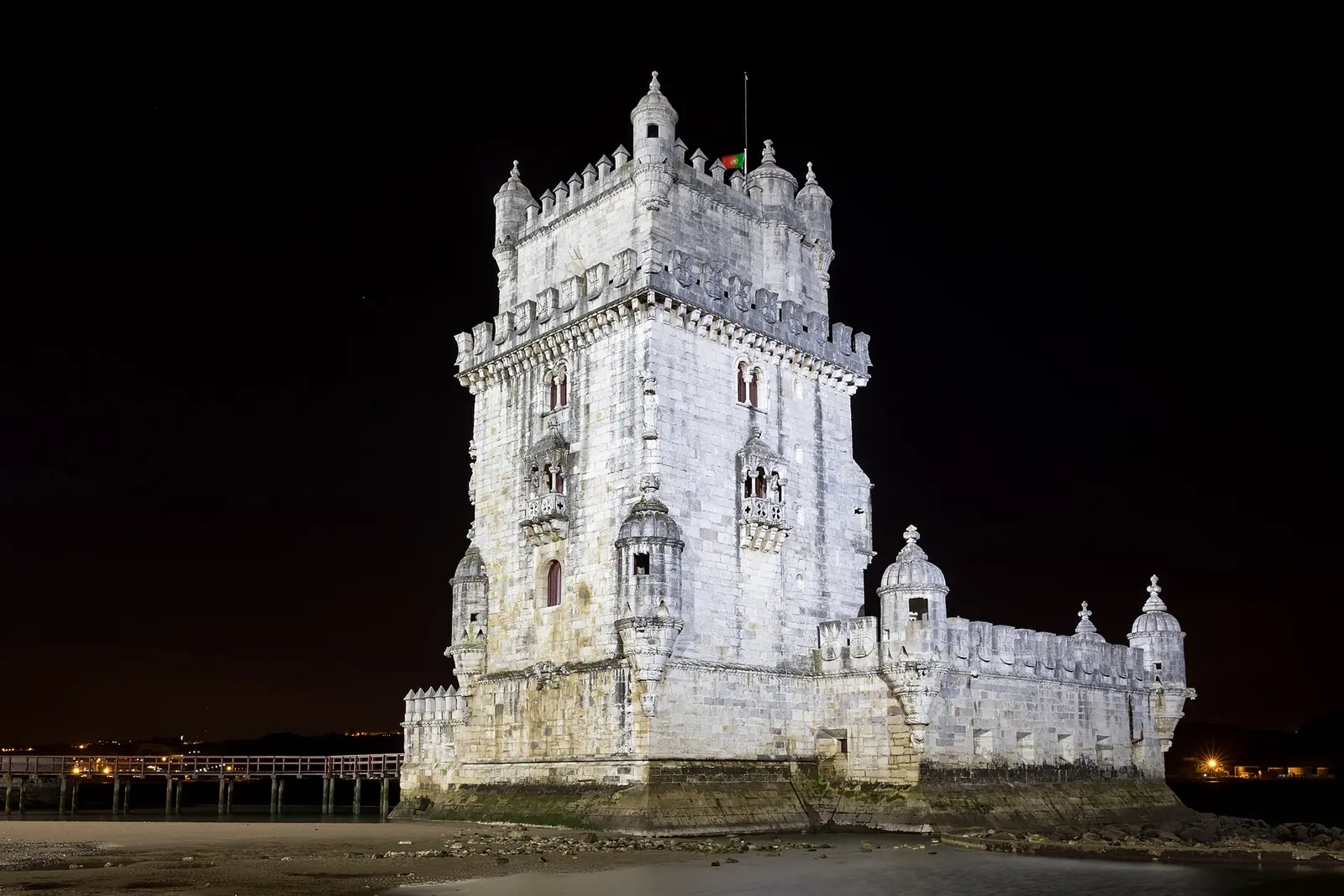
Walk along the waterfront to the Padrão dos Descobrimentos, the Monument to the Discoveries, and on to the Belém Tower, a fortified sixteenth-century tower which, together with the monastery, is a UNESCO World Heritage Site. Modern art and architecture fans should also stop at the MAAT, the Museum of Art, Architecture and Technology, with its undulating riverside roof you can walk on.
Evening: LX Factory
On your way back, stop at LX Factory, a converted industrial complex under the 25 de Abril Bridge, now full of shops, bookshops and restaurants.
Day 3: Sintra day trip
Getting there
Trains to Sintra leave from Rossio station in central Lisbon. Once there, local buses serve the main sights in the hills; walking between them is possible but steep. Sintra's cultural landscape is a UNESCO World Heritage Site, and it is extremely popular, so start early.
What to see
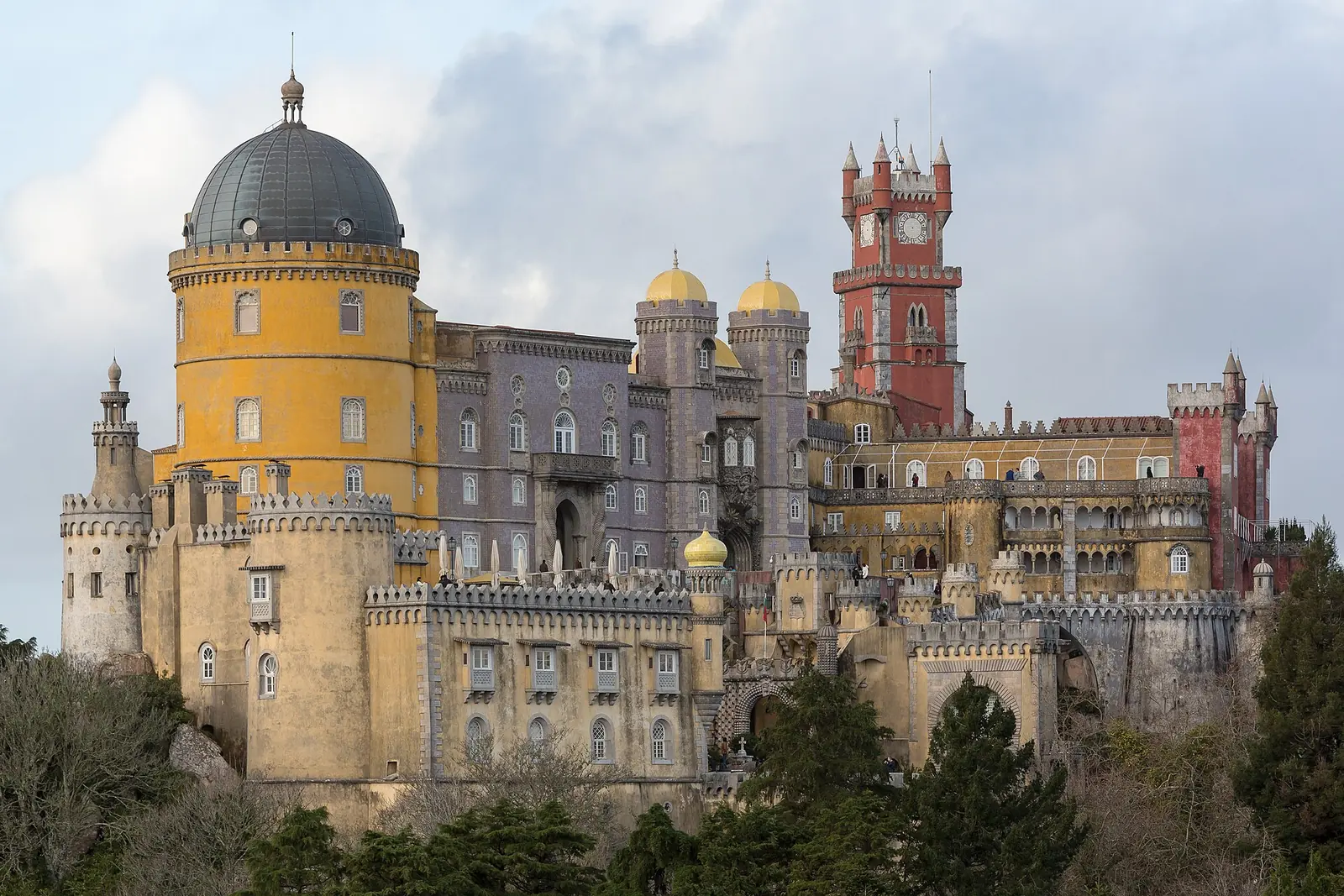
- Pena Palace: the colourful Romanticist palace on a hilltop, Sintra's most famous sight. Entry works with timed tickets, which you should book in advance on the official Parques de Sintra website.
- Moorish Castle: medieval walls snaking along the ridge, with spectacular views back to Pena and out to the Atlantic.
- Quinta da Regaleira: an estate full of symbolism, grottoes and the famous Initiation Well, a spiral staircase descending deep underground.
- National Palace of Sintra: in the town centre, recognisable by its two enormous conical chimneys.
Pick two or three sights rather than trying to see them all; Sintra is best enjoyed slowly. Before heading back, try a travesseiro, a puff-pastry pillow filled with almond cream, a local speciality.
What to eat and drink
- Pastel de nata: the custard tart, available everywhere.
- Bacalhau: salt cod, cooked in countless ways.
- Grilled sardines: especially in summer, when the June festivities fill Alfama with smoke and music.
- Bifana: a simple, satisfying pork sandwich.
- Ginjinha: a sour-cherry liqueur served in small cups near Rossio.
Where to stay
Alfama offers atmosphere but involves plenty of climbing. Baixa and Chiado are central, flat-ish and well connected. Príncipe Real is leafy and stylish, while Bairro Alto suits night owls who do not mind noise.
If you want space to cook and unwind after long days on the hills, take a look at Hexuvium's apartments in Lisbon, managed by a concierge company active in 19 countries.
Practical tips
- Tram 28 is iconic but often packed; ride it early in the morning or explore on foot instead.
- Watch your belongings on crowded trams and at busy viewpoints.
- Sunset: Lisbon's miradouros are at their finest in the golden hour.
Three days will not exhaust Lisbon, but it will show you why so many visitors fall for it.