Rome is overwhelming in the best possible way, but its most famous sights draw enormous crowds. The good news is that most queues can be avoided with a bit of forward planning: book the right tickets on the right official websites, start early and save the city's quieter corners for the busiest hours. Here is a three-day plan built around exactly that.
The golden rules
Before the itinerary, a few principles that will save you hours:
- Book the big sights online, in advance, on their official websites. Popular slots sell out, especially at weekends and in high season.
- Be wary of resellers and touts outside monuments. Official channels are the safest way to get valid tickets.
- Go early or late: the first slots of the morning and the last of the afternoon are generally calmer than the middle of the day.
- Carry ID: some tickets are issued in the visitor's name and may be checked at the entrance.
- Avoid the obvious crowd magnets on free-entry days unless saving money is your priority. On the first Sunday of the month, many state museums and sites are free, which makes them much busier.
Day 1: Ancient Rome
Morning: the Colosseum
Start with the Colosseum, the largest amphitheatre ever built in the Roman world. Tickets are sold through the official channel of the Parco archeologico del Colosseo and include timed entry. Book as soon as your dates are fixed, and choose an early slot. Several ticket types exist, some giving access to restricted areas such as the arena floor or underground; read the descriptions carefully.
Late morning: the Roman Forum and the Palatine
Your Colosseum ticket generally also covers the Roman Forum and the Palatine Hill, the political heart of ancient Rome and the hill where emperors built their palaces. Enter from a different gate than the main crowds if you can, and bring water and a hat: there is little shade.
Afternoon: Capitoline Hill and Monti
Climb to the Piazza del Campidoglio, designed by Michelangelo, and visit the Capitoline Museums, among the oldest public museums in the world. Behind them, a terrace offers one of the finest views over the Forum.
In the late afternoon, wander through Monti, a characterful neighbourhood of independent shops, wine bars and trattorias, just a few minutes from the Colosseum but noticeably calmer.
Day 2: the Vatican and Trastevere
Morning: the Vatican Museums and the Sistine Chapel
Book the Vatican Museums on their official website, choosing the earliest possible time. The collection is immense, so decide in advance what you want to see: the Raphael Rooms, the Gallery of Maps and, of course, Michelangelo's ceiling in the Sistine Chapel. Remember that the Vatican is a place of worship: shoulders and knees should be covered.
Note that the museums are free on the last Sunday of the month, which brings very large crowds. If you are short on time, a paid visit on another day is usually the better choice.
Midday: St Peter's Basilica
Entry to St Peter's Basilica is free, but you must pass through security, and the line can be long. Visiting early in the morning or later in the afternoon usually helps. Climbing the dome is a separate ticket and rewards you with a breathtaking view over St Peter's Square.
Afternoon and evening: Trastevere
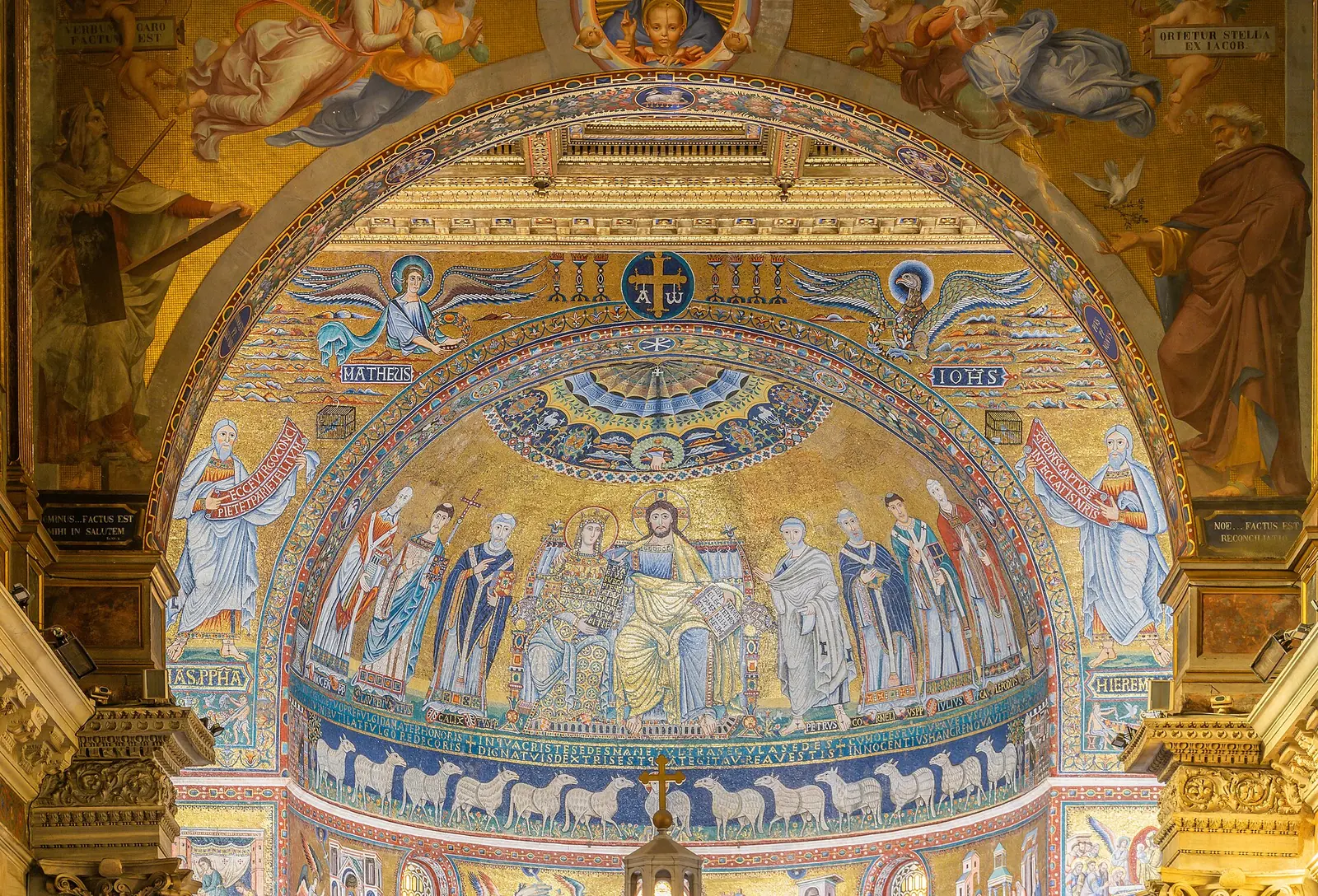
Cross the Tiber to Trastevere, a picturesque district of ivy-covered houses and cobbled lanes. Visit the Basilica of Santa Maria in Trastevere, famous for its golden mosaics, then stay for dinner. In the evening, the neighbourhood buzzes with locals and visitors alike.
Day 3: the historic centre
Early morning: the Trevi Fountain
The Trevi Fountain is at its most magical early in the morning, before the crowds. Since February 2026, access to the area closest to the basin requires a small ticket for non-residents during set hours, while the fountain can still be admired from the square. Check the latest rules on the official Turismo Roma website.
Morning: the Pantheon and Piazza Navona
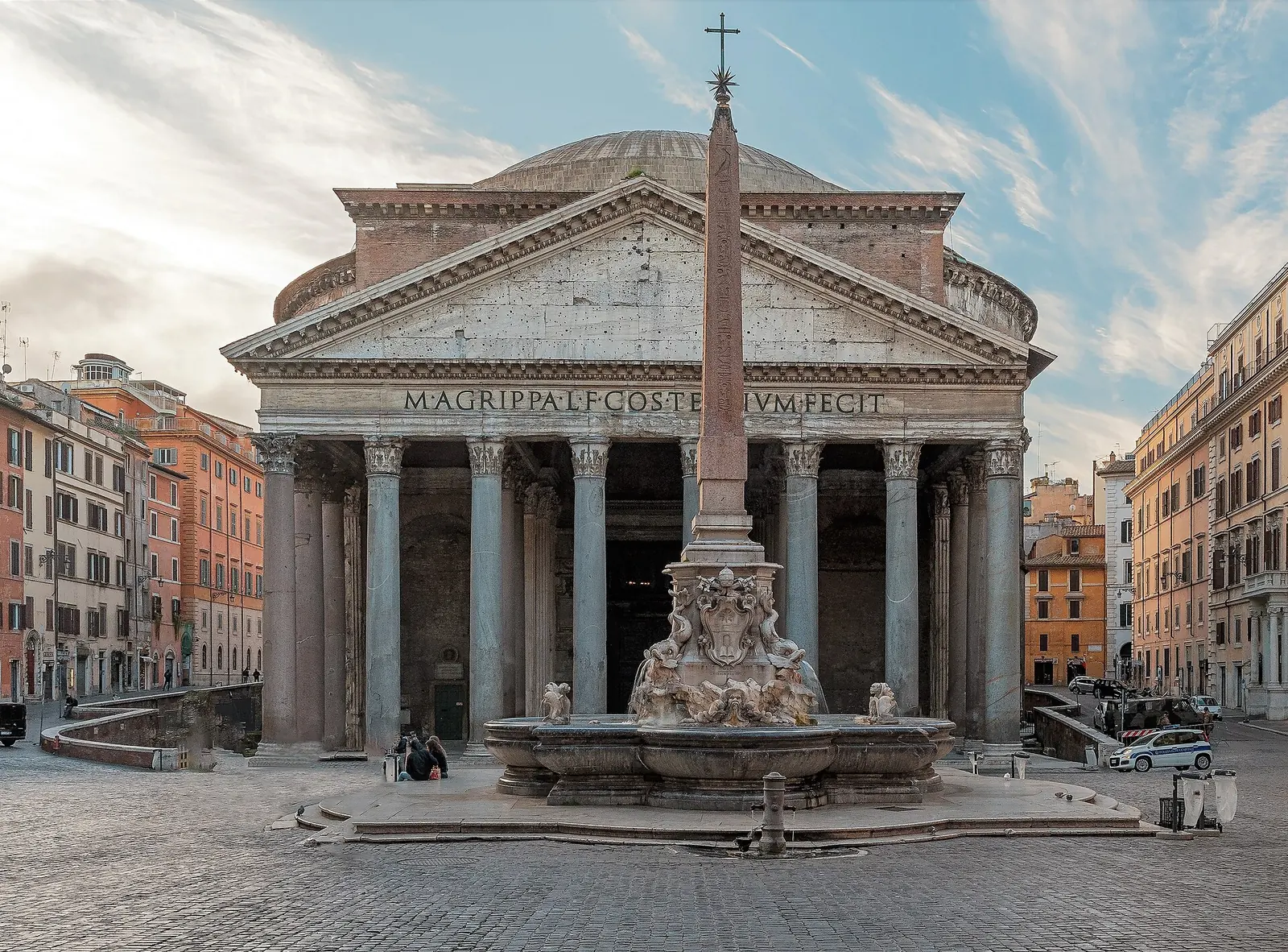
Next, head to the Pantheon, the best-preserved building of ancient Rome, with its extraordinary unreinforced concrete dome. Entry is ticketed, and booking ahead avoids waiting. A short walk away, Piazza Navona follows the shape of an ancient stadium and is home to Bernini's Fountain of the Four Rivers.
Afternoon: the Borghese Gallery
End your weekend at the Galleria Borghese, home to sculptures by Bernini and paintings by Caravaggio. Advance reservation is mandatory, and visits are organised in timed slots, which keeps the galleries pleasantly uncrowded. Afterwards, stroll through the Villa Borghese gardens to the Pincio terrace for sunset over Piazza del Popolo.
Eating like a Roman
- Cacio e pepe, carbonara, amatriciana and gricia: the four classic Roman pastas.
- Supplì: fried rice balls with a molten mozzarella heart.
- Pizza al taglio: pizza by the slice, perfect for lunch on the go.
- Gelato: look for natural colours and covered tubs rather than towering mounds.
Avoid restaurants with touts and photo menus right next to the major monuments; walking just a few streets away usually means better food.
Where to stay
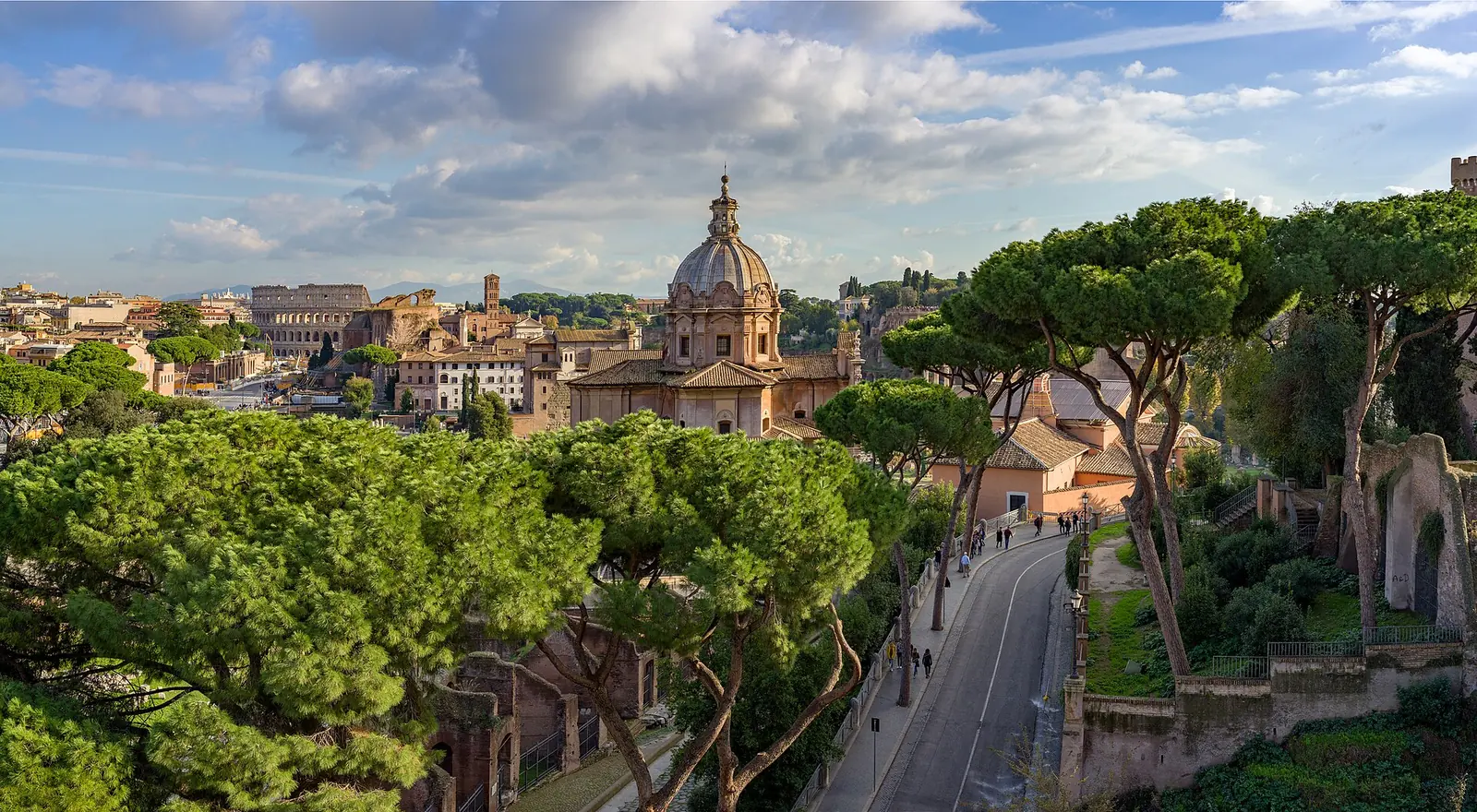
The Centro Storico puts you within walking distance of most sights. Monti is central yet more local. Trastevere is atmospheric but lively at night. Prati, near the Vatican, is quieter and well connected by metro.
For a long weekend with friends or family, an apartment gives you room to spread out. You might consider a Hexuvium apartment in Rome, managed by a short-term rental concierge founded in 2015.
Final tips
- Drink from the nasoni: Rome's public drinking fountains provide free, fresh water.
- Wear comfortable shoes: you will walk a great deal on cobblestones.
- Do not try to see everything: Rome has waited for you for two thousand years; it will wait for your next visit.